The Worst Trees to Plant Near Your House
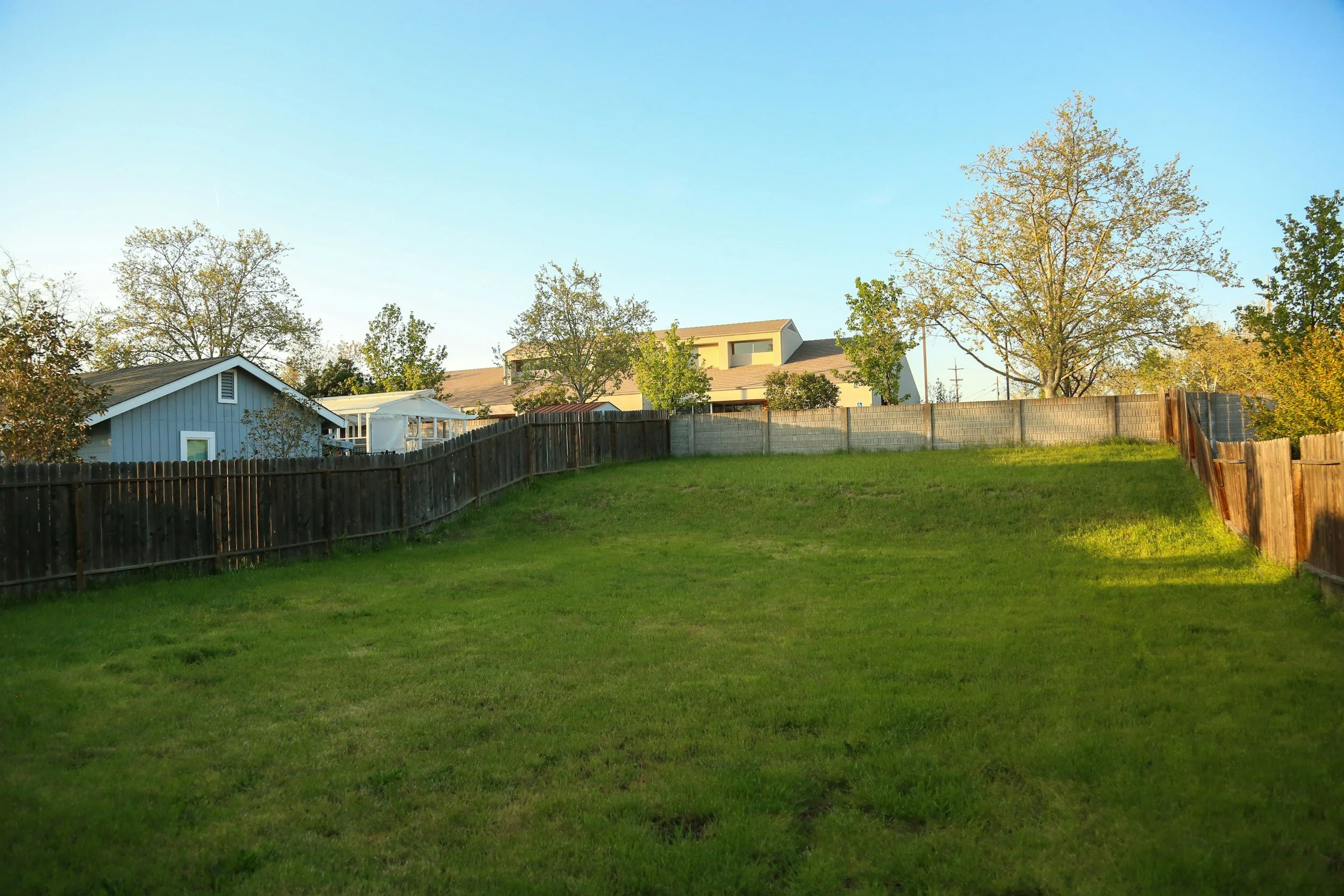
Planting a tree can be one of the best investments you make for your property. The right tree provides shade, privacy, and street appeal — but the wrong tree can create years of expensive problems.
Some species grow far larger than expected, while others have aggressive root systems that can damage driveways, plumbing, and foundations. Before planting, it’s important to think long-term.
Here are some of the worst types of trees to plant too close to your home.
1. Large Trees in Small Spaces
One of the most common mistakes homeowners make is underestimating how large a tree will eventually become.
That “small, tidy tree” from the nursery can turn into a towering giant within a few years, leading to:
Overhanging branches
Blocked gutters
Excessive shade
Ongoing pruning costs
Always check the mature height and canopy spread before planting.
2. Trees With Aggressive Root Systems
Some trees are notorious for invasive roots that search aggressively for water and space.
Over time, roots can:
Lift pavers and driveways
Crack retaining walls
Damage underground pipes
Affect building foundations
Common examples include:
Figs – known for extremely invasive root systems
Bamboo – spreads quickly and can be difficult to control
Liquidambar trees – often linked to lifted paths and driveways
Large gum trees planted too close to homes
Fast-growing species are often the biggest culprits because their root systems spread rapidly.
3. Trees That Drop Everything
Some trees create more mess than they’re worth. Depending on the species, you may constantly deal with:
Falling leaves
Seed pods
Fruit
Bark and branches
Examples include:
Jacarandas – beautiful flowers, but messy during bloom season
Poincianas – constant leaf and flower drop
Bottlebrush trees – can create heavy litter around pools and gutters
While this might sound minor, the cleanup can become a year-round chore — especially around pools, gutters, and outdoor entertaining areas.
4. Weak or Brittle Trees
Not all trees handle Queensland weather well. Some species are more likely to drop limbs during storms or strong winds.
Weak branch structures can create serious safety hazards near:
Homes
Cars
Fences
Power lines
Examples can include:
Poplar trees
Older gum trees with poor maintenance
Regular inspections and maintenance are especially important for fast-growing trees with brittle wood.
5. Trees Planted Too Close to Structures
Even a suitable tree can become a problem if it’s planted in the wrong location.
A tree placed too close to a house may eventually:
Interfere with roofing
Scratch walls and windows
Cause drainage issues
Restrict access around the property
Planning ahead can save a lot of money and frustration later on.
6. No Trees
Look… sometimes the worst tree to plant near your house is simply any tree planted in the wrong spot. It also saves you a visit from us in the future.
A tree that’s too close to your home can eventually lead to:
Expensive maintenance
Blocked gutters
Root damage
Endless pruning
Storm risks
The key isn’t avoiding trees altogether — it’s choosing the right tree for the right location. A little planning now can save a lot of headaches later.
Choosing the Right Tree Matters
The good news is that many tree problems can be avoided with proper planning. Choosing the right species for your property size, soil conditions, and climate makes all the difference.
If you’re unsure what to plant — or concerned about an existing tree — professional advice can help you avoid costly mistakes before they happen.
Trees can add enormous value to your property when chosen and maintained correctly. But the wrong tree in the wrong place can quickly become a major headache.
At Brien’s Tree Solutions, we help homeowners assess, maintain, and safely manage trees across Queensland. Whether you need advice, pruning, or tree removal, our experienced team is here to help.
📞 Contact us today for expert tree advice or a free quote.
Related Reading
Our Services: Tree Removal, Tree Pruning, Arborist Services
Not every tree of these species will cause problems — placement, maintenance, and property size all play a major role.