How Tree Roots COULD Damage YOUR Driveways, Pipes OR EVEN YOUR Retaining Walls
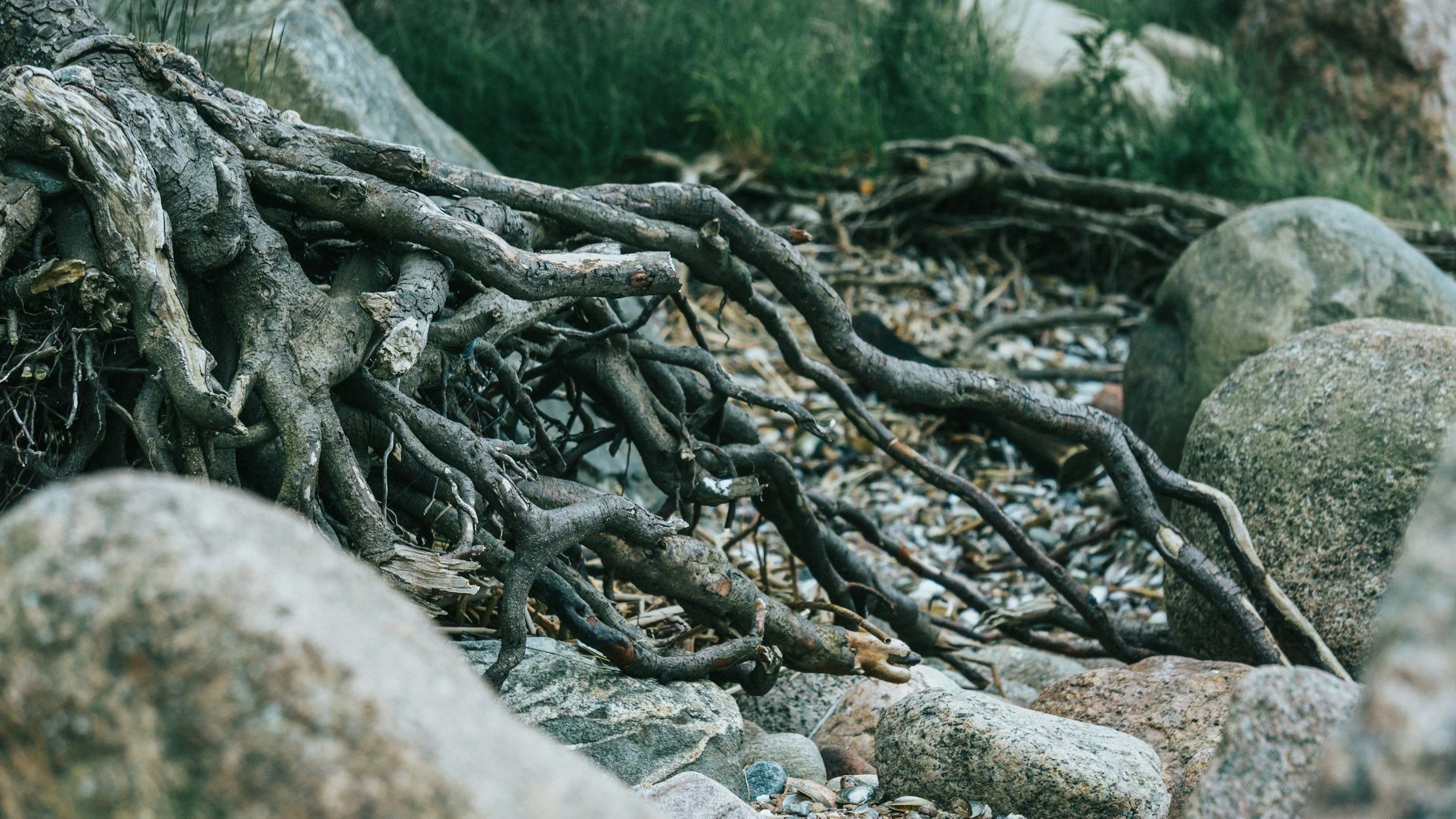
Trees can add shade, privacy and value to a property, but when roots grow in the wrong place, they can also contribute to costly damage. For homeowners in Ipswich and surrounding areas, problems such as cracked driveways, blocked pipes and shifting retaining walls are sometimes linked to root growth below the surface.
Because this kind of damage often happens gradually, it can be easy to miss the early warning signs. A small crack in concrete or a recurring drainage issue may not seem urgent at first, but over time those problems can become much more expensive to fix.
Why tree roots can become a problem around built structures
Tree roots naturally grow toward moisture, oxygen and available space. That means they often spread through the same parts of a property where driveways, underground pipes, retaining walls and paved areas are located.
In many cases, roots do not directly "break" strong structures on their own. What they can do is exploit weak points, place pressure on surrounding materials and gradually shift the ground as they expand. Over time, this can lead to movement, cracking and drainage issues.
The level of risk depends on a few factors, including the tree species, the age and condition of nearby structures, soil conditions and how close the tree is to the affected area.
How tree roots can damage driveways
Driveways are one of the most common places homeowners notice root-related damage.
As roots grow thicker beneath concrete, asphalt or pavers, they can slowly lift the surface from below. This often causes visible movement that becomes worse as the tree matures.
Common signs include:
Cracks in concrete or paved sections
Raised areas that create trip hazards
Uneven pavers or shifting edges
Pooling water caused by changed surface levels
Progressive surface movement over time
Even if the damage seems minor at first, root pressure can keep increasing. In many cases, dealing with the issue earlier helps prevent a larger repair bill later.
How tree roots can affect underground pipes
Tree roots are strongly attracted to water, which is why older pipes and small pipe defects can become a problem.
If a pipe has a weak joint, tiny crack or existing damage, roots may grow toward the moisture and enter the pipe. Once inside, they can continue expanding and restrict flow, which may lead to repeated blockages, slow drainage and, in more serious cases, pipe failure.
Signs that roots may be affecting underground pipes include:
Slow-draining sinks, showers or toilets
Recurring drain blockages
Bad smells near drains
Unusually damp patches in the yard
Sudden changes in drainage performance
Roots are not always the only cause of plumbing issues, but they can significantly worsen existing weaknesses in the system.
How tree roots can impact retaining walls
Retaining walls can also be affected when roots grow too close to the structure or expand behind it over time.
As roots increase in size, they may place pressure on the wall, contribute to soil movement or affect the stability of the surrounding ground. This can be especially concerning on sloping blocks or older properties where retaining walls are already under strain.
Warning signs may include:
Leaning or bulging sections
Cracking in the wall surface
Shifted blocks, sleepers or timbers
Movement in the soil around the wall
Signs of reduced structural stability
When a retaining wall begins to move, it is important to look at both the structure and the nearby trees rather than treating them as separate issues.
Warning signs homeowners should not ignore
Root problems are not always obvious straight away. In many cases, the first clues are small changes around the property that gradually get worse.
It may be time to investigate further if you notice:
Cracks appearing near trees in driveways, paths or paved areas
Lifted surfaces or uneven ground
Ongoing plumbing or drainage issues
Retaining walls beginning to lean, crack or shift
Large visible roots spreading across the yard
Trees planted close to hard surfaces or underground services
Not every structural or drainage issue is caused by roots, but if a tree is nearby, it should be considered as part of the assessment.
Why cutting roots without advice can make things worse
When homeowners suspect a root problem, it can be tempting to cut the roots and hope the issue goes away. In some situations, that can create a bigger safety risk.
Removing roots without understanding the tree's structure and stability can:
Weaken the tree
Increase the chance of failure
Stress the tree and affect its long-term health
Fail to address the actual cause of the property damage
Create a more dangerous problem later
Root management is not just about the visible damage. It also needs to consider whether the tree can remain safe and structurally sound afterward.
What to do if you suspect tree root damage
If you think tree roots may be affecting your driveway, pipes or retaining wall, the best first step is to have the situation assessed properly.
Depending on the property, the solution may involve:
Monitoring the tree and surrounding damage
Targeted pruning or tree management
Working with other trades where needed, such as plumbers
Installing root barriers in suitable cases
Removing the tree if the damage or risk is too significant
Every site is different, so there is no one-size-fits-all solution. The right outcome depends on the tree, the location and the extent of the damage already present.
Get expert advice before the damage gets worse
If something on your property is cracking, shifting or blocking up and there is a tree nearby, it is worth getting it looked at sooner rather than later. More often than not, homeowners contact a plumber, a concreter, or the end problem tradie who will happily bandaid fix the problem over and over, costing you thousands. If there is a tree in your yard nearby to the problem, call Brien's Tree Solutions first. We help homeowners across Ipswich assess tree-related risks and work out the safest, most practical next step before the damage becomes more serious, then your other trades will fix it once (hopefully)!